 A warming maple-bourbon cocktail with a hint of smoke that feels made for the first cold night of the year.


Slots, Poker, and the Math Behind the Thrill
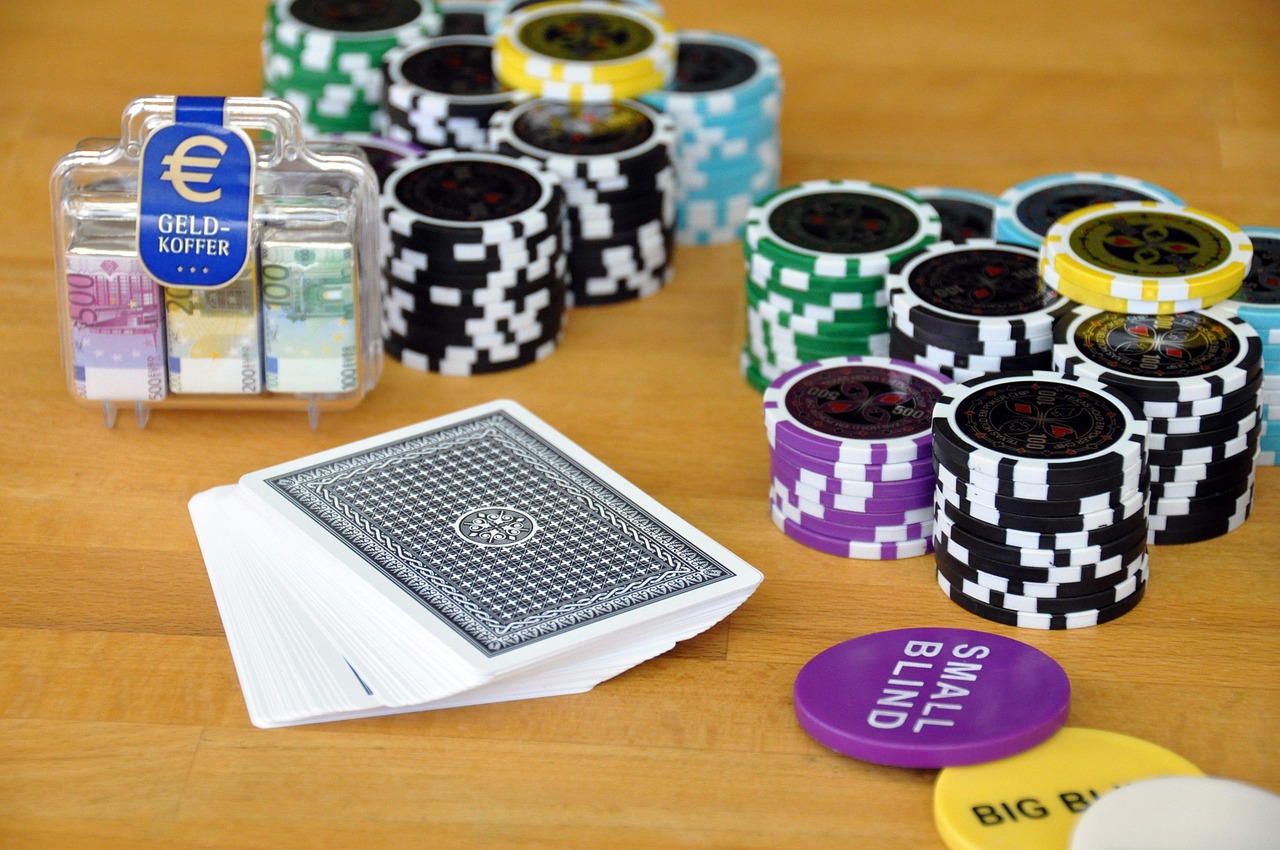
Ask ten people why they play casino games and you'll get ten different answers: the rush of a bonus round, the chess-like duel of a poker table, the simple hope that today is the day. Ask a hundred regulars and a pattern starts to emerge. The players who stick around — who actually enjoy themselves year after year instead of burning out in a month — understand something the casual crowd doesn't. They know that every game on the floor is a math problem wearing a costume.
That's not a buzzkill observation. It's the opposite. Once you see the machinery underneath the lights, the whole hobby gets more interesting, not less. Let's pull back the curtain on four corners of iGaming: slots, table games, poker, and sports betting.
The Slot Machine Is a Spreadsheet in Disguise
Modern video slots feel like small movies. Wilds expand, multipliers stack, free spins retrigger. Underneath that spectacle sits a random number generator that produces a result thousands of times per second, whether anyone is playing or not. The reel animation is just theater layered on top of a decision the machine already made. Take a look at สล็อต for a fuller picture.
What actually separates one slot from another is its return to player percentage and its volatility. RTP is the long-run share of all wagered money paid back to players. A 96% RTP slot keeps 4% as house edge over millions of spins. That 4% is the casino's revenue model, and it never sleeps.
Volatility matters more for your actual session. Two slots can share a 96% RTP and feel completely different:
- Low volatility: frequent small wins, gentle bankroll swings. Think classic three-reel fruit machines and many "book of" clones with modest max wins.
- High volatility: long droughts punctuated by rare monster hits. Megaways titles and jackpot-style games often sit here, with max wins quoted at 10,000x to 50,000x your stake.
A practical takeaway: if you have a $50 bankroll and want a two-hour session, a high-volatility slot with a $1 spin will likely eat you alive before the first bonus. Match volatility to your budget, not to the thumbnail art.
Table Games: Where the House Edge Gets Honest
Slots hide their math behind flashing lights. Table games wear it on their sleeve, which is why serious players often gravitate there. Blackjack, for example, can be pushed to a house edge under 0.5% with basic strategy — a simple chart telling you when to hit, stand, double, or split. That's a dramatically better deal than almost any slot.
Roulette is a cleaner comparison. European roulette has one zero and a 2.7% house edge. American roulette adds a double zero and jumps to 5.26%. Same game, nearly double the cost of playing, purely because of one extra pocket. If you ever find yourself choosing between the two tables, the answer takes one second.
Baccarat is the quiet giant here. It draws enormous volume in Asian markets and among high rollers because the banker bet carries roughly a 1.06% edge, and the rules require zero decisions from you. Some players find that relaxing. Others find it boring. Both reactions are valid.
Poker Is the One Game You Can Actually Beat
Here's the line that divides iGaming: in slots, roulette, and baccarat, you play against the house and the math is fixed. In poker, you play against other people, and the house just takes a rake. That single structural difference changes everything.
Poker is a skill game with a luck component, not the reverse. A weak player can win a session. A weak player cannot win over 100,000 hands, because the variance flattens out and skill differentials compound. This is why professional poker exists and professional slot-playing does not.
If you're building a poker foundation, focus on these in order:
- Position. Acting last gives you information everyone else lacks. Tighten up early, widen on the button.
- Pot odds. Compare the cost of a call to the size of the pot. Chasing a flush draw needs roughly 4:1 on the turn — know the number before you click.
- Bankroll management. A common guideline for cash games is 20 to 30 buy-ins for your stake. Ignore it and one bad week ends your hobby.
- Player reads. Online, that means tracking stats like VPIP and aggression frequency. Live, it means watching who limps and who three-bets.
Step four is where most beginners stall. They learn the charts but never adjust to the specific humans across the table. Charts are the floor, not the ceiling.
Sports Betting Runs on the Same Bones
Sportsbooks price events with a margin baked in, usually 4% to 8% on a two-way market. That margin is why betting both sides of a coin-flip game still loses money. The skill in sports betting isn't predicting winners — it's finding prices that are wrong relative to true probability.
That's why line shopping matters. If one book offers -105 on a team and another offers -115, taking the better number is worth more over a season than most handicapping insights. A few cents of juice, compounded across hundreds of bets, is the difference between profit and donation.
Sharp bettors also think in closing lines. If your bet consistently beats the line the market settles on, you have an edge. If it doesn't, no hot streak will save you long term.
What Actually Separates Enjoyment From Regret
None of this is meant to scare anyone off. Casinos are entertainment products, and there is nothing wrong with paying for entertainment. People spend $80 on concert tickets and call it a great night. The problem starts when players treat a negative-expectation game as an income strategy.
The players who last tend to share a few habits. They set a loss limit before they sit down, not after. They treat bonuses and free spins as what they are — marketing with wagering requirements attached, not free money. They keep poker and betting in a separate mental bucket from slots, because one rewards study and the others reward acceptance of variance. And they walk away when the fun stops, which sounds obvious until you're three hours into chasing a bonus round.
Understanding RTP, house edge, and variance won't make you win more. It will make you lose more slowly, play more deliberately, and enjoy the parts of iGaming that are genuinely engaging. That's the real edge: not beating the math, but knowing exactly what you're paying for and deciding it's worth it.